Belfast
Belfast
Belfast
Got to have a belief in
Got to have a belief in
Got to have a belief in all the people
‚Cause the people are leavin‘
When the people believe in
When the people believe in
When the people believe in all the children
‚Cause the children are leavin‘
Belfast
Belfast
When the country rings the leaving bell you’re lost
Belfast
Belfast
When the hate you have
For one another’s past
You can try (You can try)
You can try (You can try)
You can try
To tell the world the reason why
Belfast
Belfast
Belfast
It’s a country that’s changin‘
Oh, it’s a country that’s changin‘
It’s a country that’s changin‘ all the people
‚Cause the people are leavin‘
It’s the world that’s deceivin‘
Oh it’s the world that’s deceivin‘
It’s the world that’s deceivin‘ all the people
‚Cause the people believe in
Belfast
Belfast
When the country rings the leaving bell you’re lost
Belfast
Belfast
When the hate you have
For one another’s past
You can try (You can try)
You can try (You can try)
You can try
To tell the world the reason why
Belfast
Belfast
Belfast
When the children believe in
When the children believe in
When the children believe in all the people
‚Cause the people are leavin‘
When the people are leavin‘ you
When the people are leavin‘
When the people are leavin‘ all the children
‚Cause the children believe in
Belfast
Belfast
When the country rings the leaving bell you’re lost
Belfast
Belfast
When the hate you have
For one another’s past
You can try (You can try)
You can try (You can try)
You can try
To tell the world the reason why
Belfast
Belfast
Belfast
Belfast
Belfast
Belfast
📀📀📀📀📀📀📀📀📀📀📀
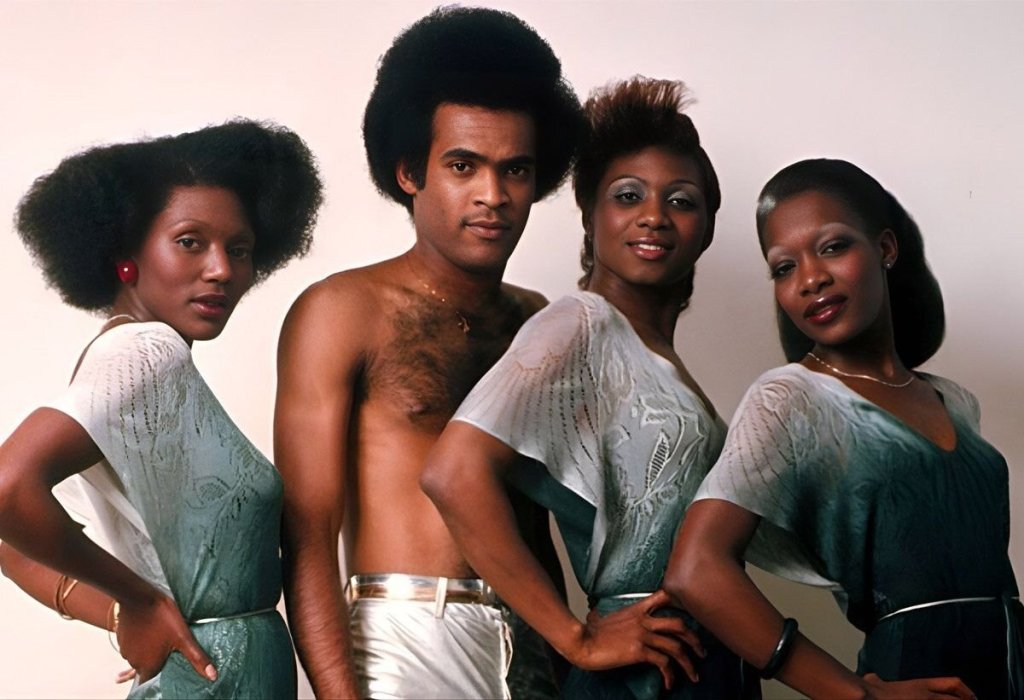
Boney M. war eine von Frank Farian produzierte Disco-Formation, die vor allem in den 1970er Jahren international Erfolge mit Stücken wie Daddy Cool, Rivers of Babylon und Ma Baker hatte. Weltweit wurden von Boney M. über 150 Millionen Tonträger verkauft, darunter mehr als 60 Millionen Singles.
Als Farian im Dezember 1974 im Europa-Sound-Studio in Offenbach den Titel Baby Do You Wanna Bump mit tiefer studiomanipulierter Stimme und hohen Falsettphrasen aufgenommen hatte, wollte er ihn nicht unter seinem eigenen Namen veröffentlichen. Die Single erschien im Februar 1975 mit der Aufschrift Boney M. als Interpreten und wurde pro Woche etwa 500 Mal verkauft. Den Namen des Projektes hatte er nach der australischen Krimiserie Boney benannt, die er damals oft im Fernsehen sah. Auf ihrem Cover war noch kein Foto der Gruppe. Erst danach fand Farian über die Künstleragentur Katja Wolfe eine bunt zusammengewürfelte Truppe.
1975 herrschte hohe personelle Fluktuation in der Gruppe, unter anderem war Claudja Barry auch Teil der Besetzung. Stabilität begann erst im Februar 1976, als sich die Formation aus Bobby Farrell, Maizie Williams, Marcia Barrett und Liz Mitchell zusammensetzte. Alle waren in der Karibik geboren und als Kinder oder Jugendliche nach Europa gekommen. Im Studio bestanden lediglich Liz Mitchell und Marcia Barrett die Gesangstests. Wie Farian in der Jugendzeitschrift Bravo bestätigte, sang auch Maizie Williams nicht im Studio, „weil ihre Stimme für diese Art Musik nicht passte“. Vokal und instrumental wurde durch Studiomusiker nachgeholfen, etwa durch Kurt Hauenstein von der Band Supermax
Nachdem personelle Konstanz vorhanden war, begann Farian mit den Aufnahmen zum Debütalbum Take the Heat Off Me. Die Single Daddy Cool erschien im Mai 1976 als Auskopplung aus diesem Album und blieb zunächst ohne besondere Resonanz. Farian gelang es schließlich, die unerfahrene Gruppe mit der Single im September 1976 in der Musiksendung Musikladen neben Dave Edmunds und Edwin Starr unterzubringen, sowie in der Sendung Plattenküche.
 Schönes aus unserer Kindheit